Repairing Seams And Edges In Artificial Grass
People searching for repairing seams and edges in artificial grass are usually looking to fix damage or separation, and local contractors can expertly handle these repairs to restore a smooth, seamless surface.
Maintaining the appearance and integrity of artificial grass is essential for property owners who want a pristine outdoor space. Over time, seams and edges can become worn, loose, or damaged, leading to uneven surfaces or a less polished look. Addressing these issues promptly can help preserve the overall aesthetic and functionality of the turf, making it safer and more enjoyable for outdoor activities or simply enhancing curb appeal. If you're noticing signs of seam separation or edge lifting, you're in the right place to explore solutions that local contractors offer to keep your artificial grass looking its best.
Property owners in the area often seek professional assistance for repairing seams and edges in artificial grass to ensure a seamless, durable result. Skilled service providers can assess the specific needs of your turf, providing effective repair techniques that extend the lifespan of your installation. Whether it’s fixing minor tears or reattaching edges, connecting with experienced local contractors can make a noticeable difference in maintaining a smooth, attractive surface. Keep reading to learn more about the options available and how these experts can help restore your artificial grass’s appearance and performance.
- **Seam repair** - homeowners noticing separation in artificial grass seams can rely on local contractors to properly re-sew or adhesive the areas for a seamless look.
- **Edge fixing** - when edges of artificial grass start to lift or fray, service providers can secure and reinforce the borders to prevent further damage.
- **Seam reinforcement** - if seams begin to pull apart over time, local pros can apply specialized adhesives and techniques to restore integrity.
- **Edge trimming and sealing** - damaged or uneven edges can be trimmed and sealed by local contractors to improve appearance and durability.
- **Seam and edge maintenance** - ongoing wear around seams and edges can be addressed by service providers to extend the lifespan of artificial grass installations.
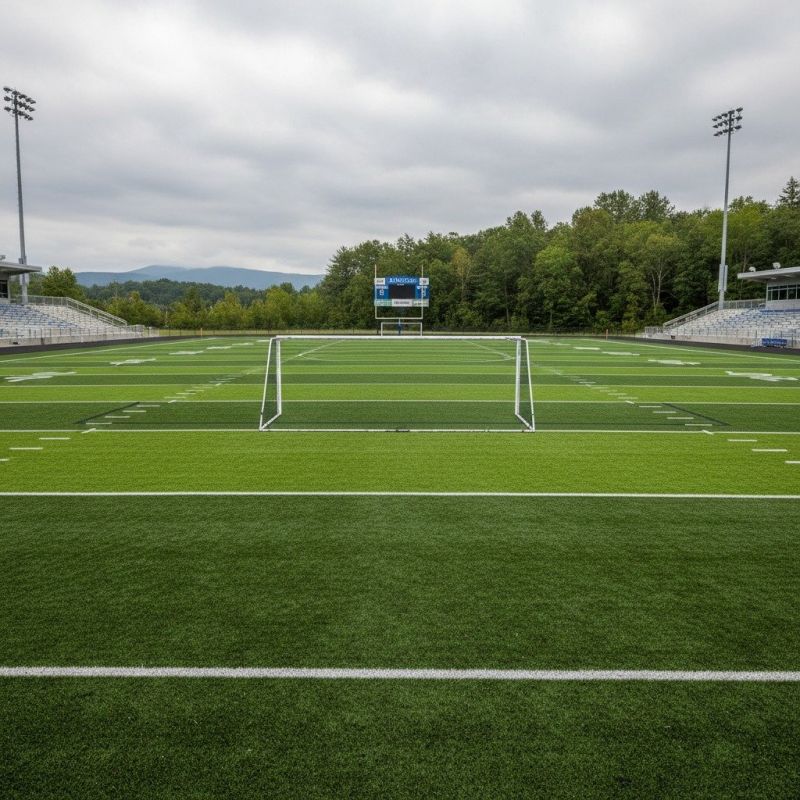
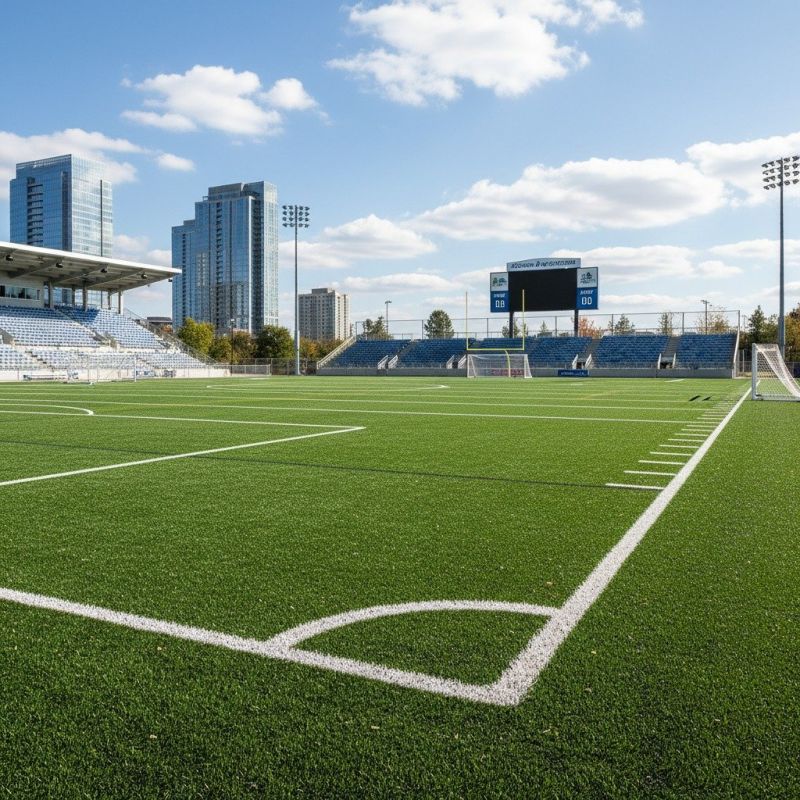
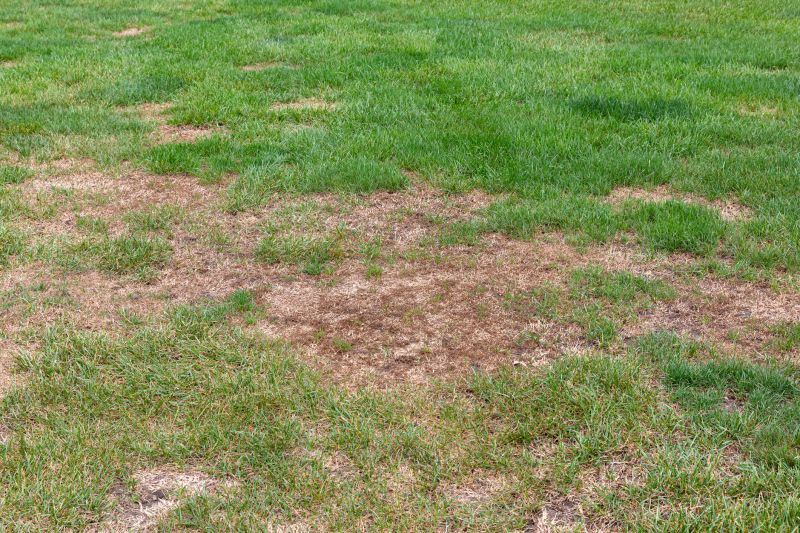
Repairing seams and edges in artificial grass is a common concern for homeowners who want to maintain a smooth, attractive surface in their outdoor spaces. When people search for this topic, they often do so because they notice areas where the turf begins to lift, fray, or develop visible gaps. These issues can occur over time due to regular foot traffic, weather exposure, or improper installation. Addressing seam and edge problems promptly helps prevent further damage, ensuring the artificial grass remains safe, functional, and visually appealing for years to come.
This type of repair work is closely related to projects aimed at fixing or extending the lifespan of artificial turf installations. Problems often involve seams pulling apart, edges curling or lifting, or sections of turf becoming loose or uneven. Homeowners may also plan to refresh worn areas or improve the overall appearance of their yard. Repairing seams and edges is a practical solution that can restore the integrity of the surface without requiring complete replacement. Local contractors who specialize in artificial grass repair are equipped to handle these issues efficiently, using techniques that blend new materials seamlessly with existing turf.
Properties that typically come up in discussions about seam and edge repairs include residential lawns, backyard putting greens, sports fields, playground surfaces, and commercial landscaping. These settings often experience high foot traffic or frequent use, which can accelerate wear along seams and edges. In residential yards, uneven or lifted edges can pose safety hazards or detract from curb appeal. For sports fields or play areas, maintaining a flat, secure surface is crucial for safety and performance. Service providers who focus on artificial grass repair understand the specific needs of each property type and can tailor their approach accordingly.
When searching for solutions to repairing seams and edges, homeowners often look for local service providers with experience in artificial grass maintenance and repair. These professionals can assess the condition of the turf, identify underlying causes of seam and edge issues, and recommend appropriate fixes. Whether it involves re-gluing seams, replacing damaged sections, or re-stretching edges, local contractors bring the necessary skills and tools to complete the job effectively. Connecting with these specialists ensures that repairs are performed properly, helping property owners preserve the appearance and functionality of their artificial grass surfaces.
Turf installation services - professionals in turf installation often handle seam and edge repairs as part of their maintenance and repair offerings for artificial grass surfaces.
Landscape renovation projects - landscape contractors working on surface upgrades may need to repair seams and edges to ensure a seamless appearance and durability.
Synthetic sports surface repair - specialists in synthetic sports courts frequently address seam and edge issues to maintain safety and performance standards.
Outdoor flooring repair - providers focusing on outdoor flooring solutions often repair seams and edges in artificial grass to prevent further damage and improve aesthetics.
Artificial turf removal and replacement - technicians removing old or damaged turf often handle seam and edge repairs during installation of new artificial grass sections.
Patio and pathway surface repair - contractors working on outdoor pathways with artificial grass components may need to fix seams and edges for a clean, finished look.
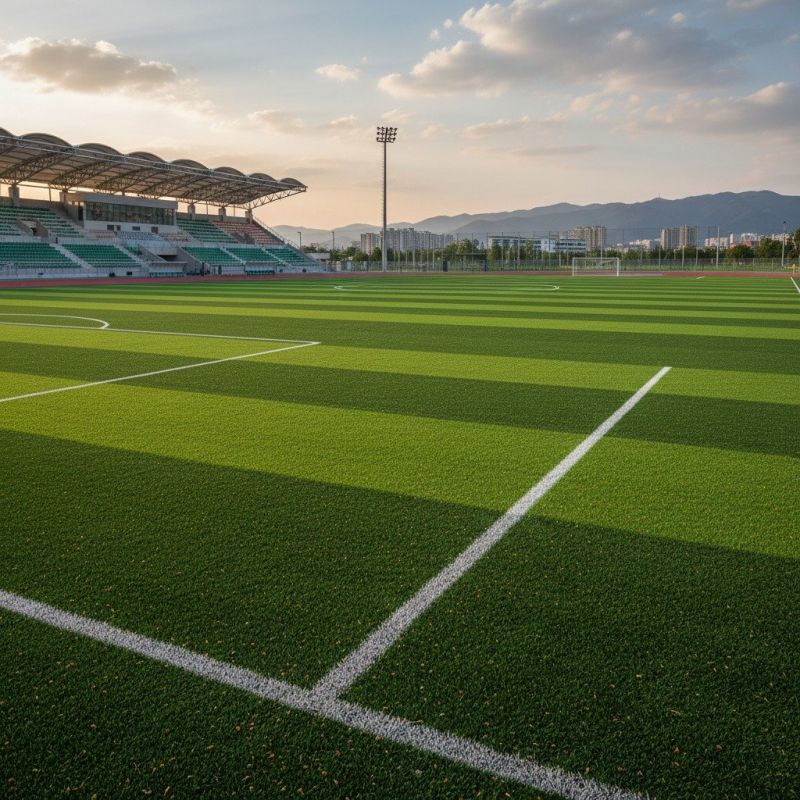
When evaluating service providers for repairing seams and edges in artificial grass, it is important to consider their experience with similar projects. Homeowners should inquire about the types of repair work the contractors have performed and whether they have handled artificial grass repairs involving seams and edges specifically. An experienced contractor is more likely to understand the nuances of working with different types of turf and to use appropriate techniques that ensure a seamless and durable repair. Checking references or reviews can provide insight into their track record with comparable jobs, helping to gauge their ability to deliver quality results.
Clear written expectations are essential to avoid misunderstandings and ensure the project aligns with the homeowner’s needs. When comparing local contractors, it’s beneficial to ask for detailed descriptions of the repair process, including the materials and methods they plan to use. This clarity helps homeowners assess whether the proposed approach is suitable for their specific artificial grass installation. A reputable service provider should be willing to outline what the repair will entail, what outcomes to expect, and any potential limitations, fostering transparency and confidence in the project.
Effective communication and reputable references are key factors when choosing a contractor for repairing seams and edges in artificial grass. Service providers who are responsive and willing to answer questions demonstrate professionalism and a commitment to customer satisfaction. Additionally, seeking references or testimonials from previous clients can reveal the contractor’s reliability and the quality of their work. Good communication ensures that homeowners feel informed throughout the process, making it easier to address concerns early and achieve a result that meets expectations.
Property owners often search for repairing seams and edges in artificial grass when they are planning practical projects around their homes and businesses. Local pros provide Artificial Grass Repair services for everyday jobs and straightforward project options.
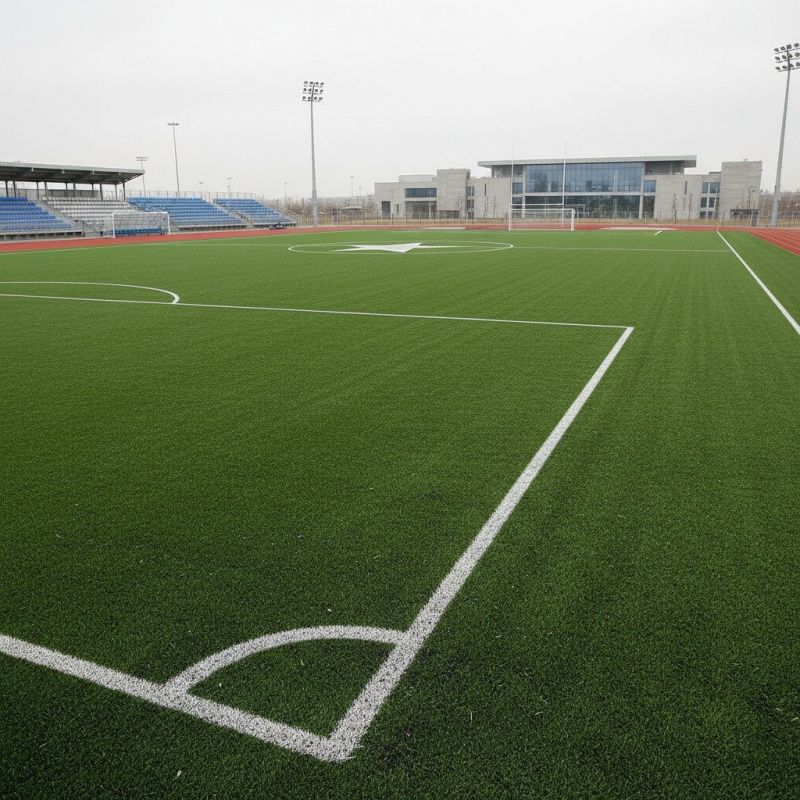
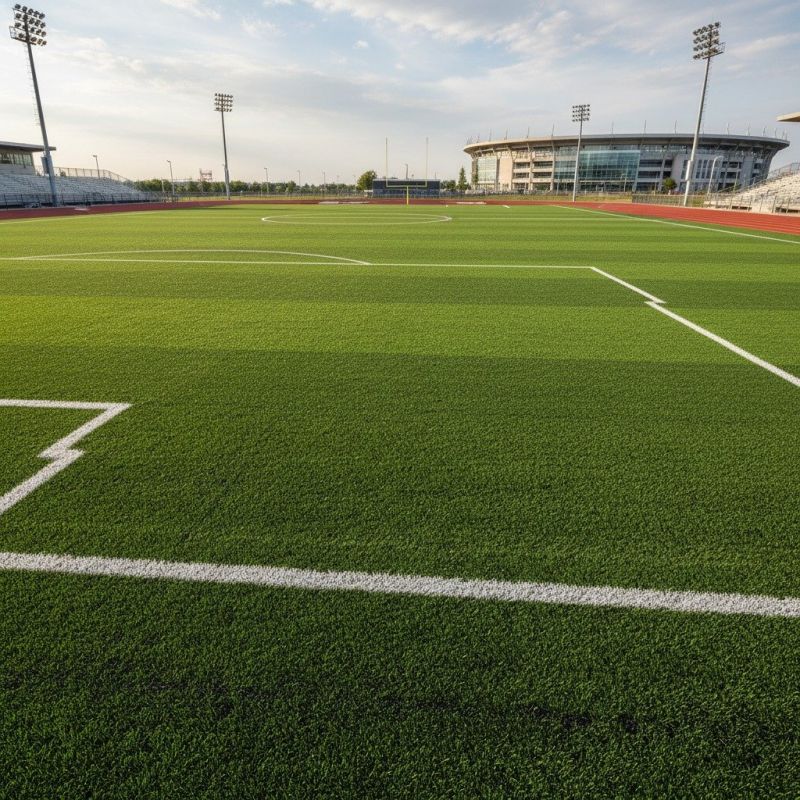
Property owners in the area often turn to local contractors for repairing seams and edges in artificial grass when they notice areas starting to lift, fray, or become uneven. These issues can occur from regular foot traffic, weather exposure, or improper installation, leading to a less polished appearance and potential trip hazards. Homeowners and business owners seeking a quick fix or a long-term solution typically look for experienced service providers who can restore the integrity of their artificial turf and keep outdoor spaces looking neat and safe.
Many local service providers are equipped to handle these common repairs, offering solutions that help prolong the life of artificial grass and maintain its visual appeal. Whether it’s a small seam that’s coming apart or edges that need reinforcement, property owners often search for reliable professionals who can perform the necessary repairs efficiently. Connecting with local contractors who specialize in artificial grass repair can ensure that seams and edges are properly fixed, helping outdoor areas stay functional and attractive for years to come.
How do professionals repair seams in artificial grass? Local contractors typically use specialized adhesive and seam tape to securely join sections of artificial grass, ensuring a smooth and durable repair.
What methods are used to fix edges that are lifting or fraying? Service providers often trim loose fibers, reinforce edges with binding or edging materials, and apply adhesives to prevent further lifting or fraying.
Can damaged seams or edges be repaired without replacing large sections? Yes, experienced repair specialists can often fix seams and edges individually, avoiding the need for full replacement and restoring the appearance and functionality.
What tools do professionals use for repairing seams and edges? Local pros typically utilize seam tape, adhesive, scissors, and sometimes heat welders to ensure seamless and lasting repairs.
Are repairs to seams and edges durable over time? When performed by skilled service providers using proper materials, repairs can be long-lasting and withstand regular use of the artificial grass area.
Assessing seam and edge damage - property owners can evaluate areas where the artificial grass begins to lift or fray, identifying spots that need repair services from local contractors.
Preparing the area for repair - clearing debris and ensuring the surface is clean helps local service providers achieve seamless repairs of seams and edges.
Choosing appropriate repair materials - selecting compatible adhesive or seam tape allows local pros to secure seams and edges effectively during repair projects.
Implementing professional repair techniques - experienced contractors use specialized tools and methods to ensure repairs blend naturally with existing artificial grass surfaces.
If you are thinking about repairing seams and edges in artificial grass for a property, this guide is meant to help you understand this topic, the typical project types, and how different options might fit your plans.
When you are ready, you can use the quote form on this page to share a few details about your project. From there, local pros can review the basics and follow up with options that match what you have in mind.