Signs Your Artificial Grass Needs Repair
Noticing signs your artificial grass needs repair can help you maintain its appearance, and local contractors are available to handle these issues efficiently.
If you’ve noticed irregular patches, uneven surfaces, or areas where the artificial grass appears worn or damaged, it’s a sign that repairs may be needed. Property owners in the area often seek guidance on how to identify issues early to maintain the appearance and functionality of their artificial turf. Recognizing these signs can help prevent further deterioration and ensure the surface remains safe and attractive for everyday use. Whether it’s due to heavy foot traffic, weather exposure, or aging materials, local contractors who specialize in artificial turf repair are equipped to address these concerns efficiently.
Keeping an eye out for loose seams, visible seams or edges pulling apart, and areas with flattened or matted fibers can also indicate that your artificial grass requires attention. These issues not only impact the aesthetic appeal but can also affect safety and durability. Property owners exploring repair options are encouraged to connect with experienced local service providers who can assess the condition of the turf and recommend appropriate solutions. By staying vigilant and addressing problems promptly, it’s possible to extend the lifespan of artificial grass and keep outdoor spaces looking their best.
- Artificial turf patching - when areas of the grass become worn or torn, local contractors can repair or replace damaged sections to restore appearance and functionality.
- Seam repair services - visible seams or edges lifting may indicate the need for professional seam reinforcement or re-adhesion by experienced service providers.
- Drainage correction - pooling or water accumulation on artificial grass surfaces suggests drainage issues that local pros can address through proper grading and repair.
- Infill replenishment - areas with uneven surfaces or excessive wear often require infill addition, which local contractors can safely and effectively perform.
- Surface leveling - uneven or sunken patches indicate underlying sub-base problems that service providers can resolve with proper leveling techniques.
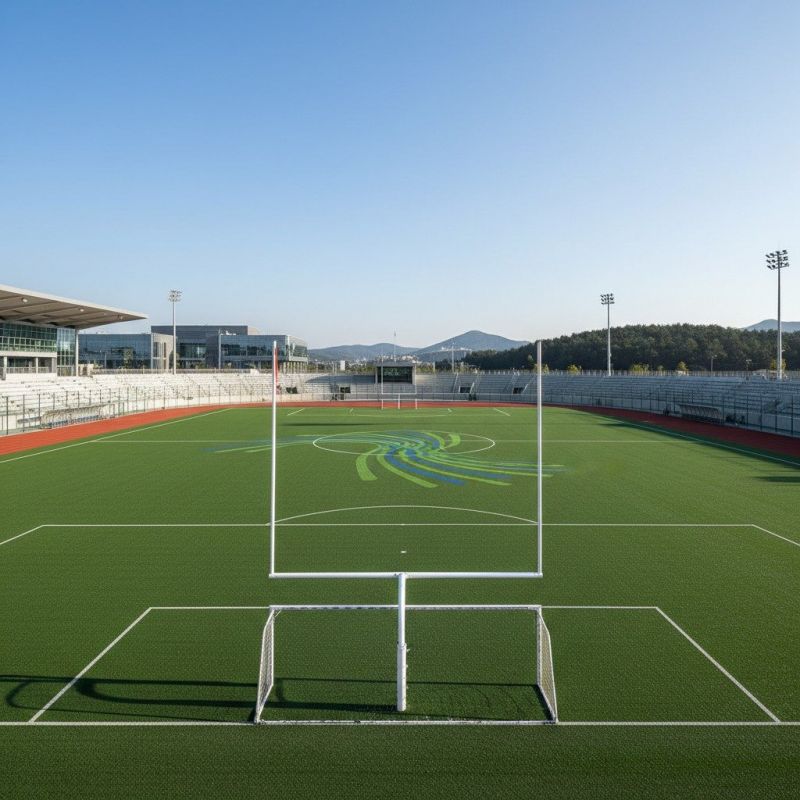
When homeowners search for signs your artificial grass needs repair, they are typically concerned about the appearance, safety, and functionality of their synthetic turf. Artificial grass is often chosen for its low maintenance and durability, but over time, issues can develop that compromise its look and usability. People may notice areas where the turf appears worn, flattened, or discolored, prompting questions about whether repairs are necessary. Recognizing these signs early can help prevent further damage and extend the lifespan of the installation, making it important to understand what indicators signal the need for professional repair services.
The problems associated with artificial grass that indicate repair might be needed include uneven surfaces, visible seams, and areas of excessive matting or bald patches. These issues can arise from heavy foot traffic, pet activity, or improper installation. Additionally, problems like loose or lifted edges, infill displacement, or the presence of weeds or debris beneath the turf can diminish the overall appearance and safety of the surface. Homeowners often plan repairs as part of routine maintenance or after noticing specific damages, ensuring that their synthetic turf remains attractive and functional for years to come.
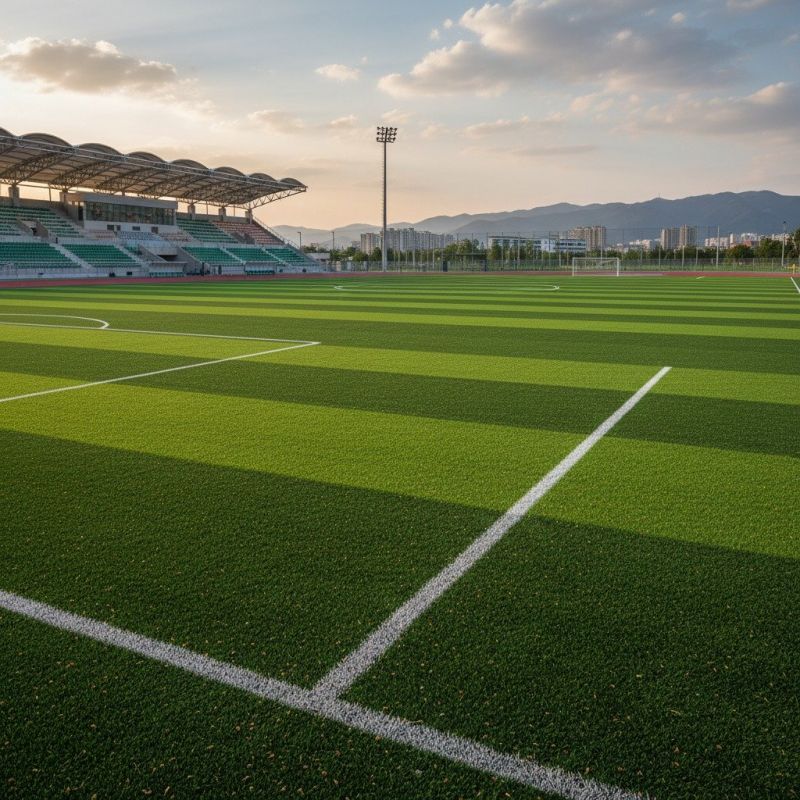
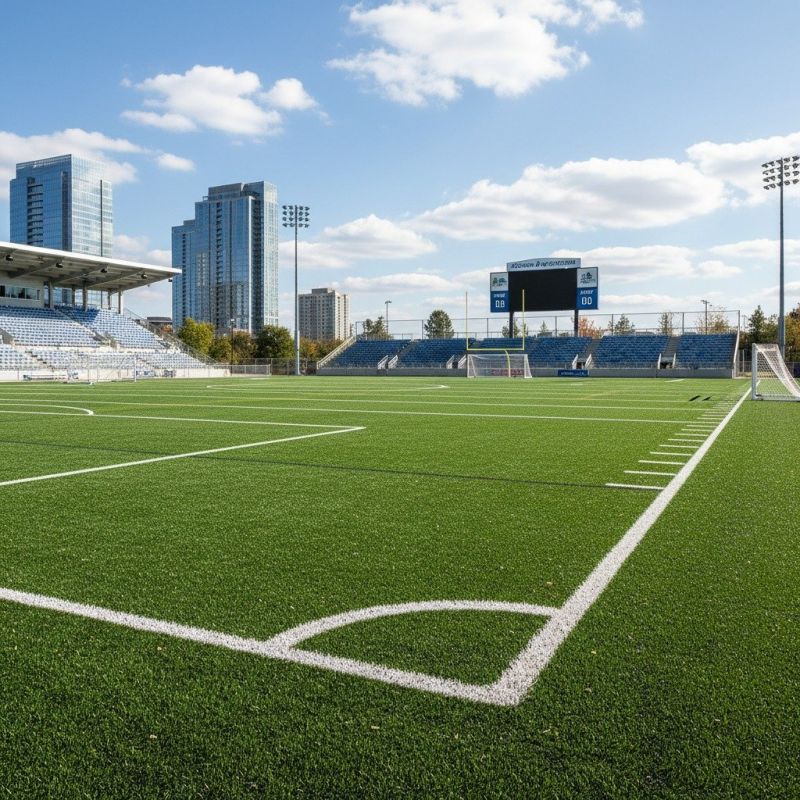
Properties that commonly encounter these issues tend to be residential yards, sports fields, playgrounds, or commercial landscapes where artificial grass is used extensively. Residential properties with children or pets may experience more wear and tear, leading to more frequent repairs. Commercial properties, especially those with high foot traffic, are also prone to turf damage that requires prompt attention. Regardless of the property type, local contractors who specialize in artificial turf repair can assess the specific issues, recommend appropriate solutions, and help restore the turf’s original appearance and safety.
Understanding the signs that artificial grass needs repair helps property owners decide when to seek professional assistance. Common indicators include persistent unevenness, visible seams or wrinkles, and areas that have become significantly discolored or flattened. Other signs include loose edges, infill displacement, or the presence of weeds and debris beneath the turf. These problems can affect the visual appeal and safety of the surface, making timely repairs essential. Local service providers who specialize in artificial turf repair are equipped to evaluate these issues, perform necessary fixes, and help homeowners maintain a durable, attractive artificial grass landscape.
Landscape Design Projects - These projects often involve planning and installing various outdoor surfaces, requiring skills in terrain assessment and material selection similar to artificial turf repair.
Drainage System Installations - Proper drainage is essential for maintaining artificial grass, and local contractors experienced in drainage solutions can address issues that affect turf longevity.
Soil Preparation and Grading - Preparing the ground for new turf or repairs involves planning and soil work skills that are relevant to fixing damaged or uneven artificial grass.
Hardscape Construction - Building features like patios or walkways alongside artificial turf requires knowledge of planning and material handling comparable to turf repair work.
Irrigation System Repairs - Ensuring proper water management can prevent damage to artificial grass, and professionals skilled in irrigation repairs can help maintain turf health.
Synthetic Surface Maintenance - Maintaining various synthetic surfaces shares techniques with artificial turf repair, including cleaning, patching, and surface assessment by local service providers.
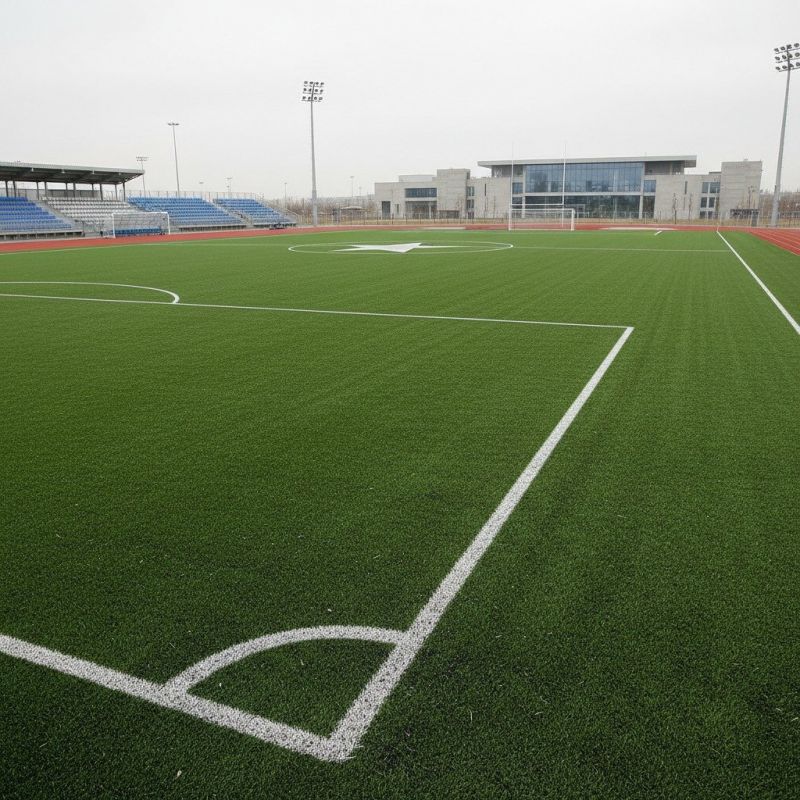
When evaluating potential service providers for artificial turf repair, it is important to consider their experience with similar projects. Homeowners should inquire about how long the contractors have been working with artificial grass and whether they have handled repairs comparable to the issues identified, such as uneven surfaces, bald patches, or drainage problems. A contractor with a proven track record in addressing these specific signs demonstrates familiarity with common challenges and solutions, which can contribute to a more effective and lasting repair.
Clear and detailed written expectations are essential when comparing local contractors. Homeowners should seek out providers who can articulate the scope of work, the materials to be used, and the steps involved in the repair process. Having a well-defined plan helps ensure that both parties are aligned on what will be done, reducing misunderstandings and ensuring that the repair addresses all visible signs of damage. Reliable contractors often provide written estimates or proposals that outline these expectations, offering peace of mind and a basis for informed decision-making.
Reputable references and good communication are key indicators of a trustworthy service provider. Homeowners are encouraged to ask for references or reviews from previous clients who faced similar issues with their artificial grass. This feedback can reveal the contractor’s ability to deliver quality work and maintain professionalism throughout the project. Additionally, responsive and transparent communication from the contractor-whether through inquiries about their experience, project details, or scheduling-can make the repair process smoother and more predictable. Choosing a provider who values clear communication and has positive references can help ensure the repair work meets expectations and resolves the signs indicating the need for maintenance.
Property owners often search for signs your artificial grass needs repair when they are planning practical projects around their homes and businesses. Local pros provide Artificial Turf Repair services for everyday jobs and straightforward project options.
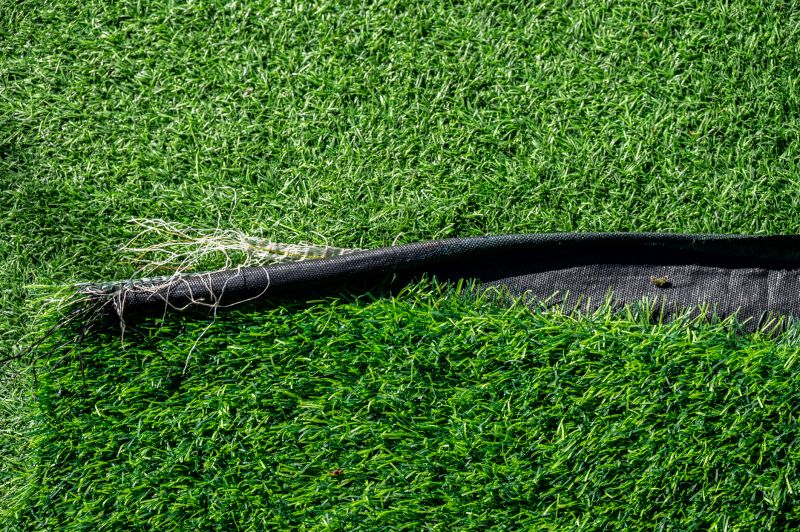
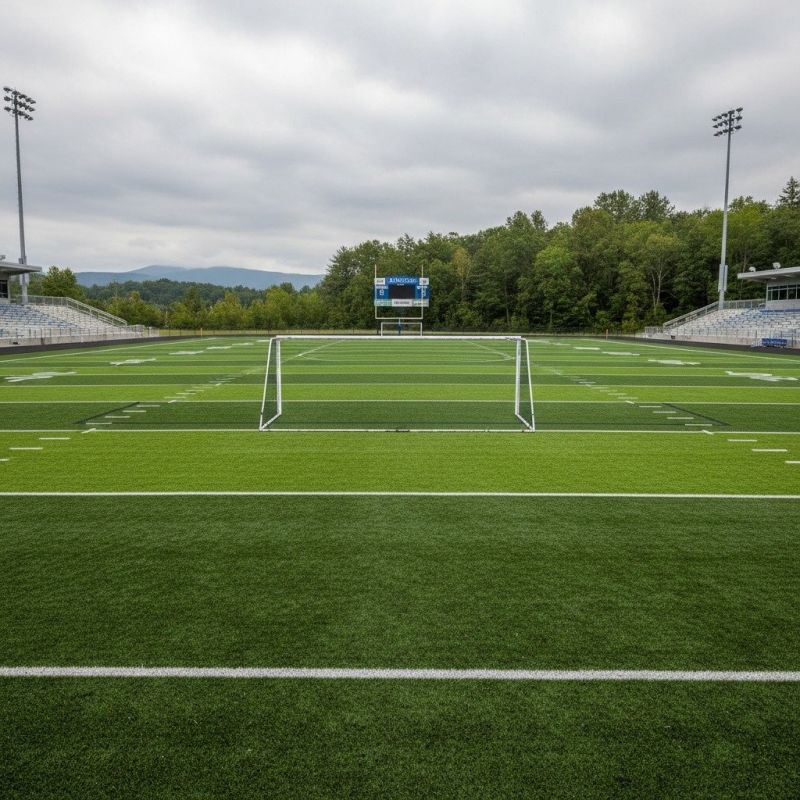
Property owners in the area may notice their artificial grass shows signs of wear and tear over time, especially in high-traffic zones or shaded areas. Common indicators include uneven surfaces, bald patches, or areas where the turf appears lifted or loose. These issues can result from frequent use, weather exposure, or improper installation, making it important for residents to recognize when repairs might be needed to maintain a smooth and attractive appearance.
Additionally, visible damage such as tears, rips, or embedded debris can compromise the integrity of the artificial grass and affect its overall look and functionality. Discoloration or fading may also signal that the turf is aging or has been affected by environmental factors. When such signs appear, property owners often seek the expertise of local contractors who specialize in artificial turf repair to restore their outdoor space and ensure it remains safe and visually appealing.
How can I tell if my artificial grass has uneven patches? Uneven patches may indicate underlying damage or poor installation, and local contractors can assess and repair these areas to restore a smooth surface.
What are the signs of infill displacement or loss? If the infill material appears sparse, uneven, or is visibly displaced, it may require replenishment or redistribution by experienced turf repair specialists.
How do I recognize when seams or edges are coming apart? Fraying seams or edges that are lifting or separating are common signs that repairs are needed to prevent further damage and maintain the turf’s appearance.
What indicates that the turf has sustained physical damage? Visible tears, holes, or crushed areas suggest the turf needs repair to prevent further deterioration and ensure safety.
How can I identify persistent odors or mold on artificial grass? Unusual smells or mold growth can signal underlying issues like moisture buildup or damage, which local service providers can address through cleaning and repairs.
Visible Wear and Tear - noticing frayed or flattened patches can indicate areas needing repair, prompting a project to restore the turf’s appearance with help from local contractors.
Uneven Surface - feeling or seeing bumps and dips in the grass suggests underlying issues that can be addressed through professional leveling services.
Faded or Discolored Areas - patches that have lost their vibrant color may require patching or replacement, which local experts can handle efficiently.
Drainage Problems - pooling water or poor runoff indicates drainage issues that can be fixed by experienced service providers to prevent further damage.
If you are thinking about signs your artificial grass needs repair for a property, this guide is meant to help you understand this topic, the typical project types, and how different options might fit your plans.
When you are ready, you can use the quote form on this page to share a few details about your project. From there, local pros can review the basics and follow up with options that match what you have in mind.